

Biomass Charcoal
Your Professional Biomass Charcoal Supplier
Anhui Shuzhen New Energy Co.,Ltd. is a one-stop energy storage solutions provider. With our own environmental safety & occupational health department, QR department and sewerage system, we are aiming to manufacturing high quality high safety and high performance products. Our main products are portable power station, lithium ion batteries, lead-acid batteries, lead-acid battery replacement, Sodium-ion batteries, house energy storage system, commercial Industrial energy storage system and so on.
Professional Team
There are over 30 professional technical staffs, 3 production lines and 10 after-sale service personals.
Accept ODM/OEM Service
We support customization, OEM&ODM services with low MOQ, nice quality and competitive price.
24H Online Service
We provide 7DAY 24H online service, one-stop service from pre-sale to after-sale.
Global Shipping
Reliable shipping agents for each market, deliver goods to destination safely in competitive price.


Technical Parameters
|
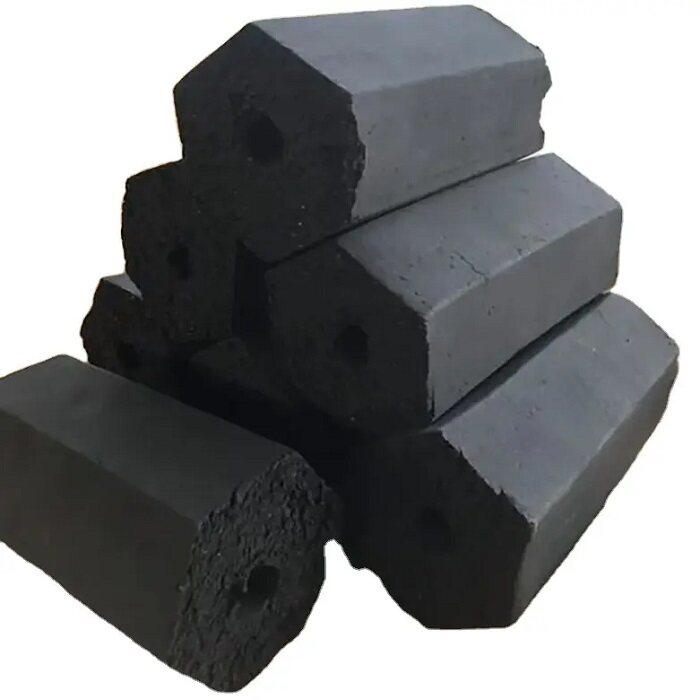
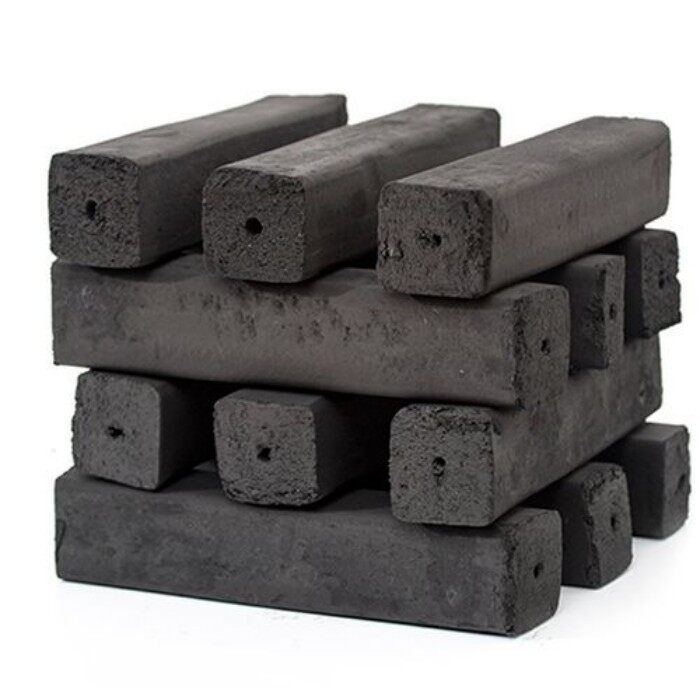
Material |
Walnut shell, coconut shell, bamboo, etc |
|
Shape |
Stick, lump, granular and so on |
|
Lodine value(mg/g) |
600-1600 |
|
Hardness |
98 (%) |
|
Ash(%) |
<5(%) |
|
Mositure(%) |
<5(%) |
Advantages of Biomass Charcoal
Reduction of Carbon Emissions
One of the primary environmental advantages of biomass charcoal lies in its carbon-neutral profile. Unlike fossil fuels, which release carbon sequestered for millions of years, biomass charcoal emits carbon dioxide that was recently absorbed from the atmosphere during plant growth.
Cleaner Combustion and Air Quality Improvement
Biomass charcoal burns with higher efficiency and lower sulfur, nitrogen, and ash content compared to traditional fossil fuels. This results in reduced formation of sulfur oxides, nitrogen oxides, and particulate matter—key contributors to smog and acid rain.
Resource Regeneration and Waste Utilization
Unlike finite fossil reserves, biomass feedstocks are renewable and regionally available. Agricultural residues, forestry waste, and organic byproducts can be continually replenished, establishing a sustainable energy cycle. By converting biomass into charcoal through pyrolysis, waste that would otherwise decompose and emit methane is redirected into a productive energy pathway.
Soil Enhancement and Carbon Sequestration
The byproduct of charcoal production, biochar, serves a vital role in environmental restoration. When integrated into soil, it enhances water retention, nutrient availability, and microbial activity. More importantly, biochar acts as a long-term carbon sink, storing stable carbon structures for hundreds of years.
Transition Toward Sustainable Industrial Systems
The adoption of biomass-based fuels supports the global shift toward cleaner and more resilient industrial energy systems. Leading charcoal making machine manufacturers continue to refine carbonization technologies with improved energy efficiency, automated control, and emission filtration.
As fuel for fireplaces, barbecues and other similar devices
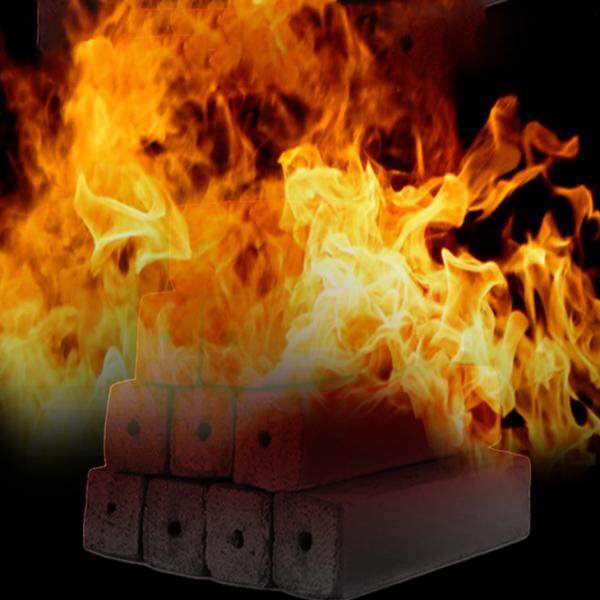
Unlike conventional fuel (for example, firewood), charcoal does not form smoke and open flames if the ignition is done correctly, but gives only the required temperature – heat, so bars and restaurants use it with pleasure in their barbecues for cooking various dishes.
In industry
In ferrous and non-ferrous metallurgy as a reducing agent (charcoal has a high carbon content)
For the production of aluminum, boron, etc ..
In the production of pure silicon, which is used to make semiconductors.
In the production of glass, crystal, paints, electrodes, plastics.
In agriculture
As a feed additive in animal husbandry.
As a fertilizer in crop production.
In construction
As an insulating material in construction, as charcoal is very hygroscopic and absorbs odors well.

As anti-corrosive powders and lubricants
Charcoal finds some use in instrumentation and printing, where it is used to grind and polish parts and shapes. The most suitable for these purposes is coal from softwood, obtained according to a special technological regime.
In the production of black powder
In the production of black powder, coal is used mainly from alder or buckthorn wood with a carbon content of 72-80%. Gunpowder prepared on the basis of coal from other types of wood is more difficult to ignite, therefore the use of other types of coal is not practiced.
In the production of electrical coal products
Electric coal products are made from pure carbonaceous materials such as petroleum and pitch coke, graphite, soot, charcoal, etc., by mixing with coal tar or pitch.
As a filler for plastics
Charcoal can be used as a filler in plastics. Plastics of this type, where the filler is a powdered carbonaceous material, include, for example, some grades of faolite, special-purpose pressing materials, etc.
As a raw material for the production of activated carbons
Active carbons are porous carbon bodies that create, upon contact with a gaseous or liquid medium, a significant surface area for the sorption process.
Storage Precautions for Biomass Charcoal
Charcoal should always be stored in a cool, shaded environment. High ambient temperatures, especially in enclosed metal sheds or areas with direct sunlight, can accelerate the oxidation process.
The Risk: When charcoal reaches a certain internal temperature, it can begin to self-heat.
The Solution: Maintain a consistent, cool temperature and keep the storage area away from heat sources like water heaters or machinery.
Adequate airflow is essential for safe storage. In poorly ventilated spaces, charcoal can deplete oxygen levels or release carbon monoxide if it begins to smolder.
The Strategy: Avoid stacking bags tightly against walls. Leave a "breathing gap" between the stacks and the walls to allow air to circulate.
The Safety Factor: Proper spacing ensures that any heat generated within the center of a stack can dissipate rather than building up to a flashpoint.
Moisture is the primary cause of charcoal degradation. Damp charcoal is difficult to ignite, produces excessive smoke, and is prone to mold. More dangerously, the process of damp charcoal drying out can sometimes trigger an exothermic reaction.
The Solution: Never store charcoal bags directly on concrete or dirt floors, as they can wick up ground moisture. Use pallets or shelving to elevate the product.
The Pro Tip: For long-term storage, consider secondary containment such as heavy-duty plastic bins with airtight seals.
Product Form: Lump, Briquette, Granular, Powder
Particle Size: 1–5 mm, 5–20 mm, Custom
Moisture Content: ≤5%, ≤8%
Ash Content: ≤3%, ≤5%, ≤8%
Odor: Neutral, Mild wood smell

Packaging and Shipping
|
Packaging |
Anti-collision foam film, cardboard box packaging |
|
Shipping |
Shipping by sea, by air, by express are acceptable. According to your requirements. |
Our Service
7DAY 24H online service, recommending most suitable solutions according to clients' requirements.
Reliable shipping agents for each market, deliver goods to destination safely in competitive price.
After-sales service, installation instructions, returns & exchange service.
Additional service, including quality assurance agreement, on-time delivery agreement.
FAQ
As one of the most professional biomass charcoal suppliers in China, we're featured by quality products and good price. Please rest assured to wholesale biomass charcoal in stock here from our factory. Contact us for customized service.
biomass charcoal, torrefied charcoal, Biomass Barbecue Charcoal